The Science Behind Vinyl: Why Your Favorite Tracks Shine on Record
The resurgence of vinyl records over the past decade has captivated audiophiles and casual listeners alike. But what makes vinyl so special? To understand the science behind vinyl, we must first explore the physical properties of the format. Unlike digital music, which utilizes a binary system of zeros and ones, vinyl captures sound in an analog format. This means that the grooves on a vinyl record correspond directly to the sound waves produced by an instrument or voice. As a result, the warmth and richness associated with vinyl playback contribute to a more authentic listening experience, allowing the listener to connect with the music on a deeper level.
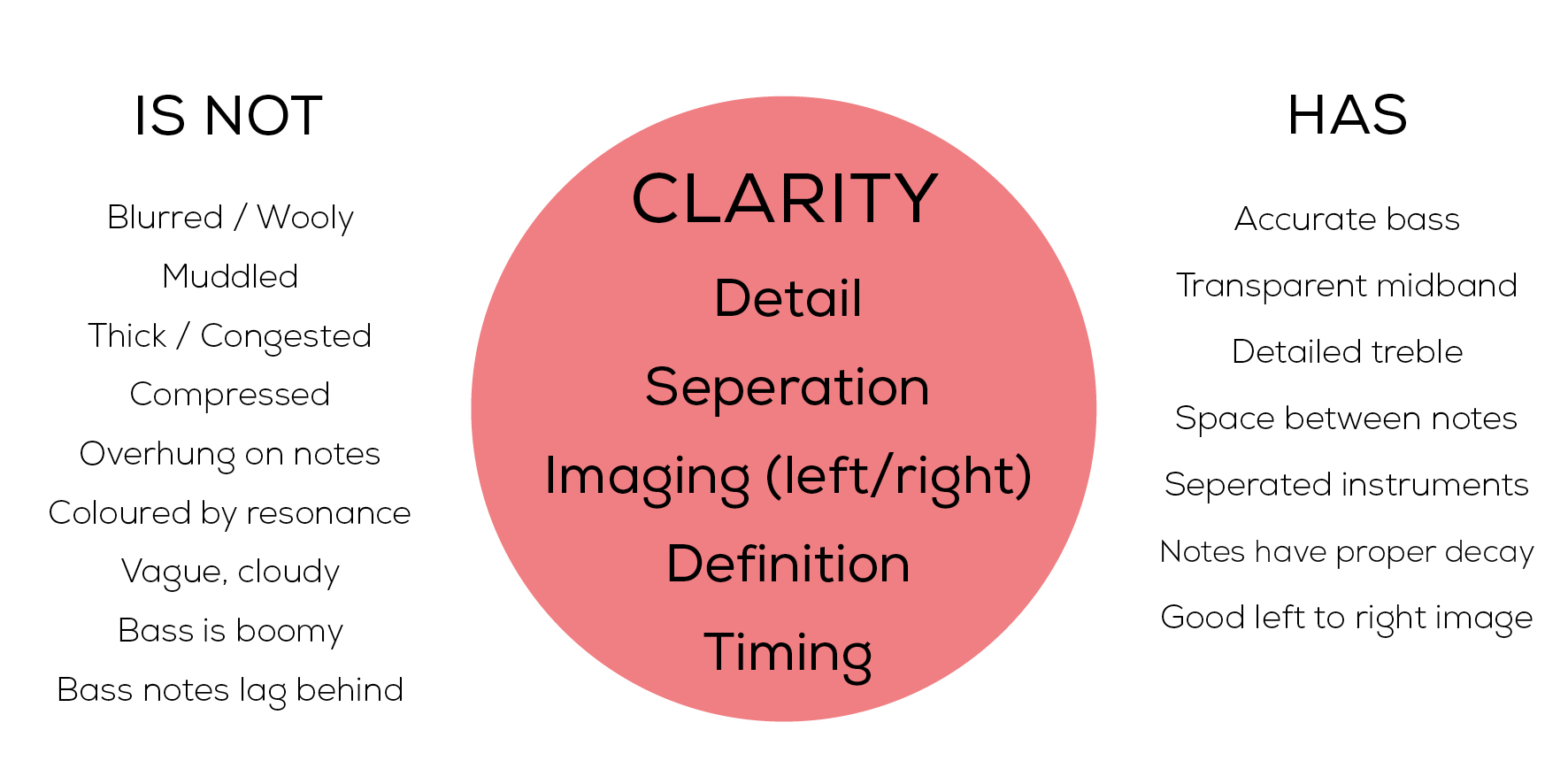
Moreover, the mastering process for vinyl involves meticulous attention to detail. Engineers often adjust the dynamics of a mix to suit the limitations of the vinyl medium, which can lead to a unique audio experience. For example, lower frequencies are carefully balanced to prevent distortion during playback, enhancing the overall clarity of your favorite tracks. As a result, many enthusiasts argue that vinyl records offer a more organic sound, leading to an emotional connection with the music. Whether it's the distinctive crackle as the needle hits the groove or the larger-than-life album artwork, vinyl records elevate music listening to an art form in its own right.
Counter-Strike is a highly popular first-person shooter game that has captivated millions of players worldwide. The game is known for its intense team-based gameplay, requiring strategy, teamwork, and quick reflexes. As players immerse themselves in the competitive environment, having the right gear can enhance their experience and performance. For those interested in maximizing their gaming sessions, check out the Top 10 Earbuds with Long Battery Life to ensure they stay connected and focused without frequent charging interruptions.
Vinyl vs. Digital: Exploring the Unique Sound Experience
The debate between vinyl and digital music has been a hot topic among audiophiles and casual listeners alike. Vinyl, with its unique analog sound, offers a warm and rich listening experience that many believe digital formats simply cannot replicate. The tactile nature of placing a needle on a record and the pops and crackles that accompany playback create a nostalgic connection that is often missing in digital formats. On the other hand, digital music provides convenience and portability, enabling listeners to carry entire libraries in their pockets without sacrificing sound quality in modern high-resolution formats.
When comparing the two, it’s essential to consider personal preferences and **listening environments**. Many enthusiasts argue that vinyl allows for a more engaging and focused listening session, as it requires listeners to actively participate by flipping the record and enjoying the cover art. In contrast, digital music excels in versatility, offering features like playlists, shuffle modes, and access to a vast array of tracks at the click of a button. Ultimately, whether one prefers the analog warmth of vinyl or the convenience of digital boils down to individual taste and how one engages with music on a personal level.
Do Vinyl Records Really Sound Better? Debunking Common Myths
The debate over whether vinyl records truly sound better than digital formats is as old as the medium itself. Proponents of vinyl often claim that the warmth and depth of sound, accompanied by the rich character of analog recordings, create a listening experience that digital formats simply cannot replicate. However, the reality is that perceptions of sound quality can be highly subjective. Factors such as the quality of the vinyl pressing, the equipment used for playback, and even the listener's preferences play significant roles in the overall audio experience.
Moreover, many common myths surrounding vinyl records contribute to the misconception that they inherently provide superior sound quality. For example, one myth suggests that vinyl offers a wider dynamic range and frequency response than digital formats. In practice, while vinyl can capture certain sound qualities that are pleasing to the ear, the dynamic range of well-produced digital audio can surpass that of vinyl records. Understanding the nuances of vinyl records versus digital audio is crucial for anyone looking to appreciate the medium for what it truly is, rather than clinging to outdated beliefs.