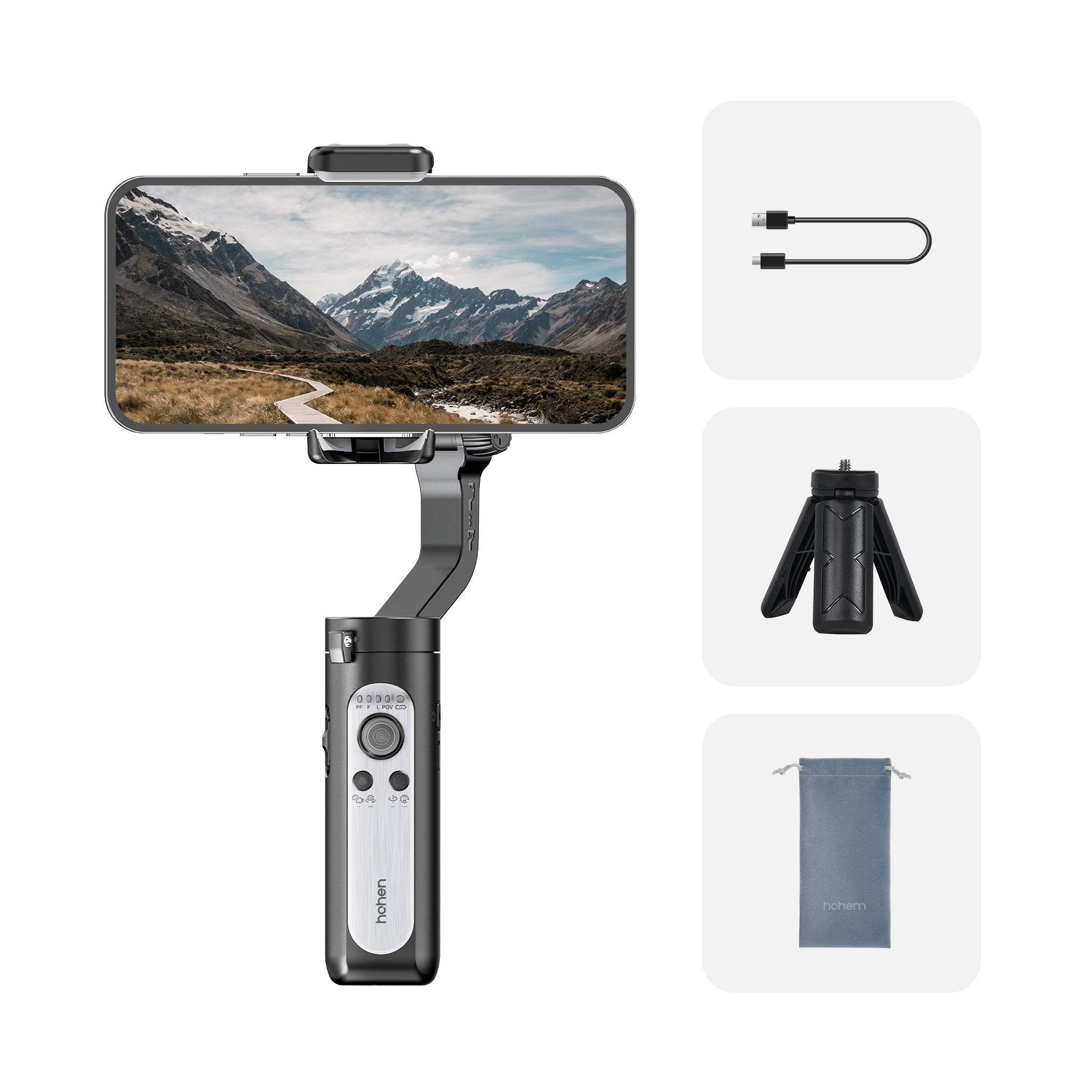
5 Essential Tips for Mastering Gimbal Techniques
Mastering gimbal techniques can significantly elevate your videography skills. Here are five essential tips to help you achieve smooth and professional shots. First, always ensure that your gimbal is properly balanced before use. Improper balancing can lead to unnecessary strain on the motors, resulting in shaky footage. To balance your gimbal, adjust the position of the camera and follow the manufacturer’s instructions for optimal setup. This foundational step is crucial for seamless operation.
Second, practice using different modes available on your gimbal. Most gimbals come with various modes, such as pan follow, lock mode, and full follow. Familiarizing yourself with these modes allows you to adapt your shooting style to different situations. Third, maintain a steady grip and use your body to stabilize movements—your gimbal should feel like an extension of yourself. Lastly, invest time in learning the best gimbal techniques for different environments, whether it's shooting in crowded spaces or achieving cinematic shots in nature. Mastery requires patience, but with these tips, you’ll take your gimbal skills to new heights.
Counter-Strike is a highly popular first-person shooter game that pits teams of terrorists against counter-terrorists in a variety of objective-based game modes. Players engage in tactical gameplay, making use of a wide range of weapons and strategies to outsmart their opponents. For those interested in mobile gaming, check out the Top 10 iphone gimbals to enhance your gaming experience.
How to Choose the Right Gimbal for Your Filming Needs
Choosing the right gimbal for your filming needs can significantly impact the quality of your videos. With various options available on the market, it's essential to consider several key factors before making a decision. Firstly, assess the weight and size of your camera equipment, as different gimbals are designed to support specific payloads. Look for gimbals that provide a balance between durability and portability, ensuring that they can handle your camera setup without compromising stability. Additionally, consider features such as battery life, ease of use, and compatibility with external accessories, which can enhance your filming experience.
Another crucial aspect to evaluate is the type of filming you plan to do. For example, if you're into action sports or dynamic shooting scenarios, a gimbal with quick response times and robust stabilization features will be essential. Conversely, for cinematic filmmaking, a gimbal offering advanced controls for panning and tilting may be more appropriate. To help you in the selection process, here are some questions to ask yourself:
- What is the maximum weight of my camera?
- Do I need extended battery life for long shoots?
- What type of movements do I want to capture?
Common Mistakes to Avoid When Using a Gimbal for Smooth Shots
Using a gimbal can significantly enhance the quality of your shots, but there are some common mistakes that users often make. One prevalent error is failing to balance the gimbal properly before use. A balanced gimbal ensures smoother movements and extends battery life. To achieve correct balance, always follow the manufacturer's guidelines and take the time to adjust each axis individually. This small adjustment can make a huge difference in the overall stability of your footage.
Another mistake is neglecting to practice with the gimbal prior to a shoot. Many users assume that the settings will suffice regardless of experience. However, spending time familiarizing yourself with the controls and practicing fluid movements can help you deliver the best possible results. Additionally, overlooking the environment where you're filming can lead to unintended camerawork issues; be mindful of obstacles or terrain that could affect your gimbal's performance. Make a checklist of things to consider for a successful shoot.