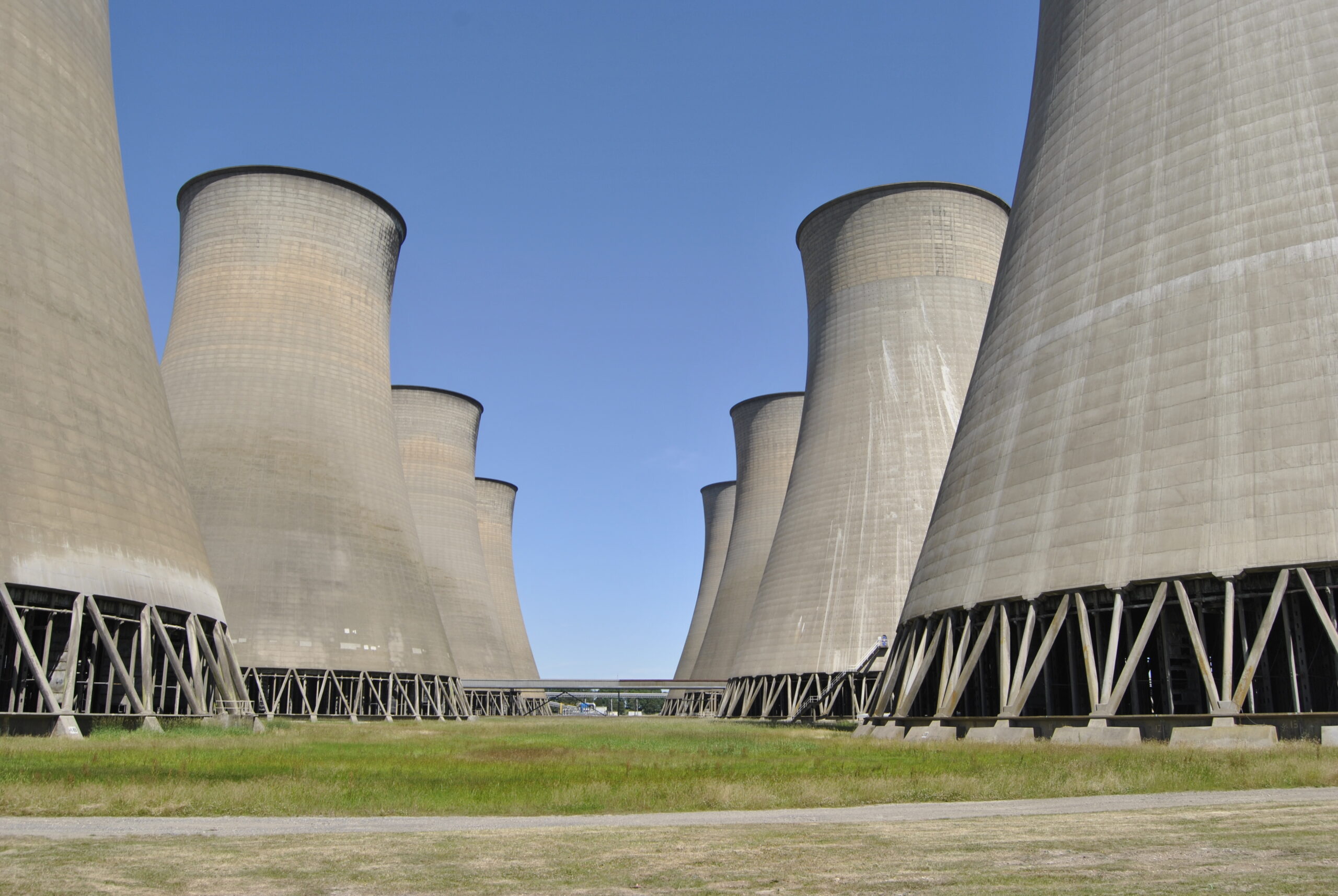
The Ultimate Guide to Nature's Cooling Techniques: How Ecosystems Stay Cool
The Ultimate Guide to Nature's Cooling Techniques explores the fascinating methods that ecosystems employ to maintain their cool. One of the most effective techniques is transpiration, where plants release water vapor through their leaves, creating a cooling effect on the surrounding air. This process not only helps to regulate temperature but also contributes to local humidity levels. Additionally, ecosystems utilize shade from trees and vegetation to reduce direct sunlight exposure on the ground, further mitigating heat buildup. These natural shading techniques play a critical role in sustaining both flora and fauna by providing necessary relief from high temperatures.
Another remarkable strategy for cooling is through the wetland ecosystem, which acts as a natural air conditioner. Wetlands evaporate water, leading to a cooling effect much like a swamp cooler. Similarly, bodies of water such as lakes and rivers help to moderate local temperatures as they absorb heat during the day and release it slowly at night. Microclimates also form in areas with diverse plant life, which can create pockets of cooler air. Understanding these cooling techniques not only highlights the resilience of nature but also emphasizes the importance of conserving these critical ecosystems in the face of climate change.
Counter-Strike is a highly competitive first-person shooter that has captivated millions of gamers since its initial release. Players can choose to join either the Terrorist or Counter-Terrorist team, each with unique objectives and strategies. To enhance your gaming experience, you might want to consider some essential gear, including the Top 10 Laptop Accessories to Prevent Overheating, which can help maintain your laptop's performance during intense matches.
From Evaporation to Wind Chill: The Science Behind Effective Cooling Methods
Cooling methods have evolved significantly, but understanding the science behind them is crucial for efficiency. One of the most effective processes is evaporation, which occurs when liquid molecules gain enough energy to transform into vapor. This natural phenomenon is harnessed in various cooling devices such as evaporative coolers and misting systems. By utilizing the principle of heat absorption, these systems can lower temperatures significantly, especially in arid climates. When water evaporates, it absorbs heat from the surrounding environment, making it feel cooler. This is the reason why sweating is an effective way for human bodies to maintain a lower core temperature.
Another important factor in cooling is wind chill, a term commonly associated with outdoor temperatures but equally applicable indoors. Wind chill refers to the cooling effect produced by air movement across the skin, which enhances the rate of heat loss. In controlled environments, fans and air circulation systems can replicate this effect, making it feel cooler than it actually is. Understanding these principles allows for better energy management in cooling applications, reducing reliance on traditional air conditioning systems and contributing to energy conservation efforts. By combining techniques such as evaporation and wind chill, individuals and businesses can optimize their cooling strategies effectively.
How Can We Stay Cool? Exploring Innovative Cooling Solutions for a Warming World
As global temperatures continue to rise due to climate change, finding effective ways to stay cool has become increasingly critical. Traditional cooling methods, such as air conditioning, consume vast amounts of energy and contribute to greenhouse gas emissions. However, innovative solutions are emerging that prioritize efficiency and sustainability. For example, passive cooling techniques, like green roofs and shade trees, can significantly reduce indoor temperatures without relying on electricity. Additionally, cooling paints that reflect sunlight are being developed to reduce heat absorption in buildings, offering a promising alternative to conventional cooling systems.
Another exciting advancement in cooling technology is the use of evaporative cooling systems, which utilize water's natural ability to absorb heat. This method can lower temperatures in dry climates and is often more energy-efficient than traditional air conditioning units. Furthermore, integrating smart technology into cooling systems allows for more precise temperature control, reducing energy consumption and costs. As we face a warming world, embracing these innovative cooling solutions not only helps us stay cool but also contributes to a more sustainable future for our planet.