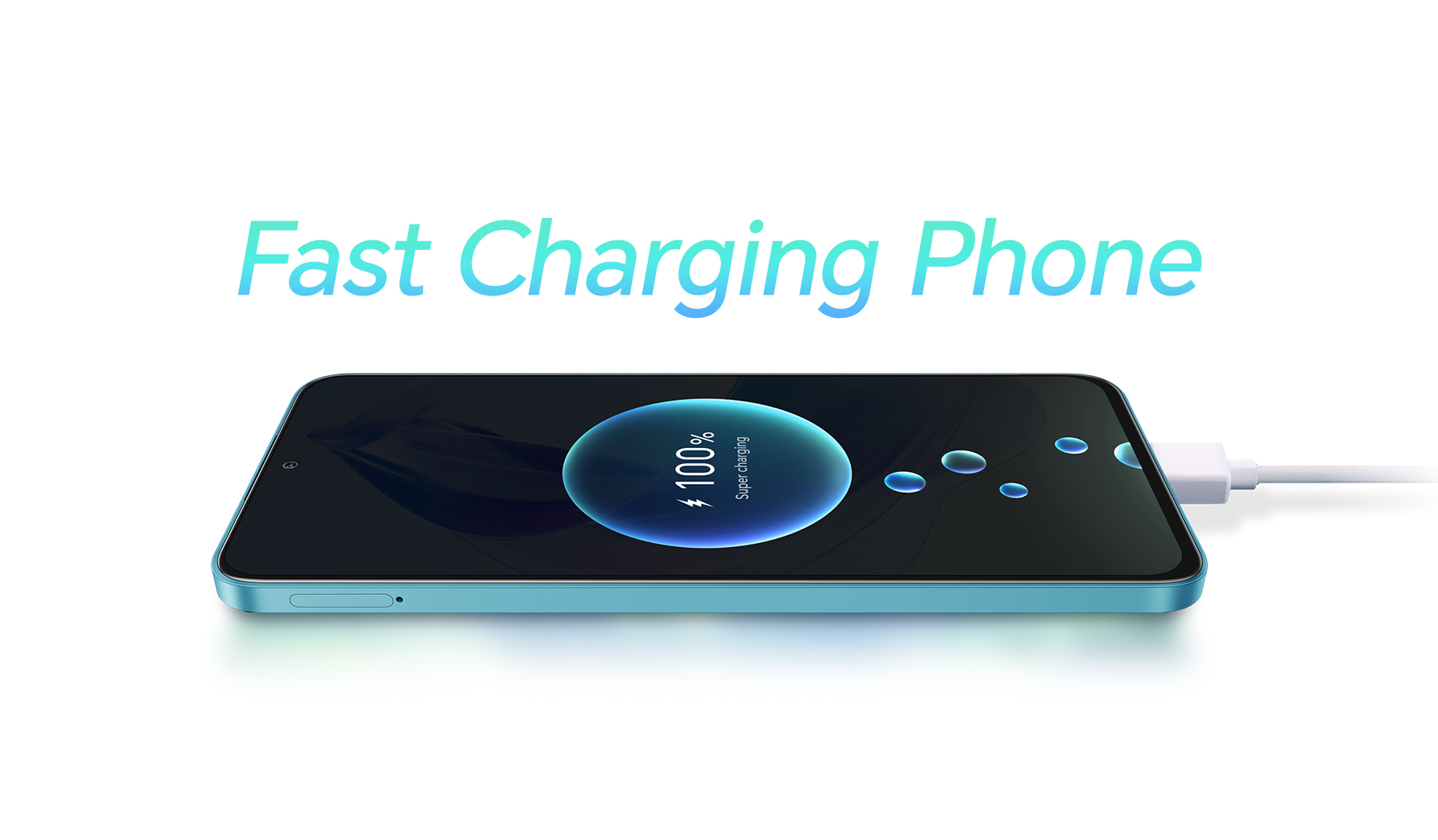
The Evolution of Charging Technologies: From Plug-in to Wireless
The journey of charging technologies has seen remarkable innovations, evolving from traditional plug-in methods to the more revolutionary wireless charging systems we see today. Initially, charging devices required cumbersome cords and outlets, establishing a standard in power connectivity. As technology progressed, the limitations of wired charging became apparent, leading to the development of faster and more efficient methods of energy transfer. This evolution has not only improved user convenience but also sparked an ongoing quest for sustainability and efficiency in charging practices.
In recent years, the advent of wireless charging has transformed how we perceive charging devices. Utilizing electromagnetic fields, this technology allows users to simply place their devices on a pad to initiate charging, eliminating the need for plug-in connections. Such advancements have been particularly beneficial for devices like smartphones and electric vehicles, paving the way for the future of charging. As we look ahead, innovations such as ultrasonic and inductive charging promise to further enhance the user experience, making charging as effortless as placing a device on a table.
Counter-Strike is a highly popular first-person shooter game that emphasizes teamwork and strategy. It has evolved over the years, with various versions like CS 1.6, CS: Source, and CS: GO. Players engage in intense matches, often focusing on objectives such as bomb defusal or hostage rescue. For those looking to upgrade their gaming experience, check out the Top 10 iPhone 16e accessories that can enhance mobile gaming performance.
How Smart Grids Are Transforming Energy Distribution
The advent of smart grids is revolutionizing energy distribution by enhancing the efficiency, reliability, and sustainability of power networks. Smart grids utilize advanced digital technology to monitor and manage electricity flow from all generation sources, including renewable energy. This transformation is significant as it enables utilities to respond in real time to fluctuating energy demands and integrate various power sources seamlessly, ultimately leading to reduced energy losses and improved customer service.
One of the most notable benefits of smart grids is their ability to enable two-way communication between utilities and consumers. This shift allows for more informed decisions regarding energy consumption. For example, through smart meters, customers can track their energy usage patterns, identify peak times, and even optimize energy use based on real-time pricing data. As a result, smart grids are not only ensuring a more stable energy supply but also empowering consumers to be proactive in their energy management, which fosters a more sustainable energy ecosystem.
Are Electric Vehicles the Future of Sustainable Transportation?
In recent years, electric vehicles (EVs) have surged in popularity, presenting themselves as a pivotal solution to our transportation challenges and a strong contender in the quest for sustainable transport. Are electric vehicles the future of sustainable transportation? With advancements in technology and a growing emphasis on reducing carbon footprints, EVs promise significantly lower emissions compared to traditional gasoline-powered vehicles. According to a report by the International Energy Agency, the adoption of electric vehicles could reduce greenhouse gas emissions from the transportation sector by up to 70% by 2050, making it seem increasingly likely that they will play a crucial role in creating a greener future.
Moreover, as countries and states ramp up efforts to implement policies supporting renewable energy, the future of EVs is becoming even brighter. Incentives such as tax rebates, charging station grants, and infrastructure development are making it easier for consumers to transition to electric mobility. In addition, the expansion of charging networks, combined with improvements in battery technology, is making EV ownership more practical and accessible. As we consider the future of sustainable transportation, it becomes clear that electric vehicles are not just an option; they are emerging as a necessary component of a cleaner, more efficient transportation system.