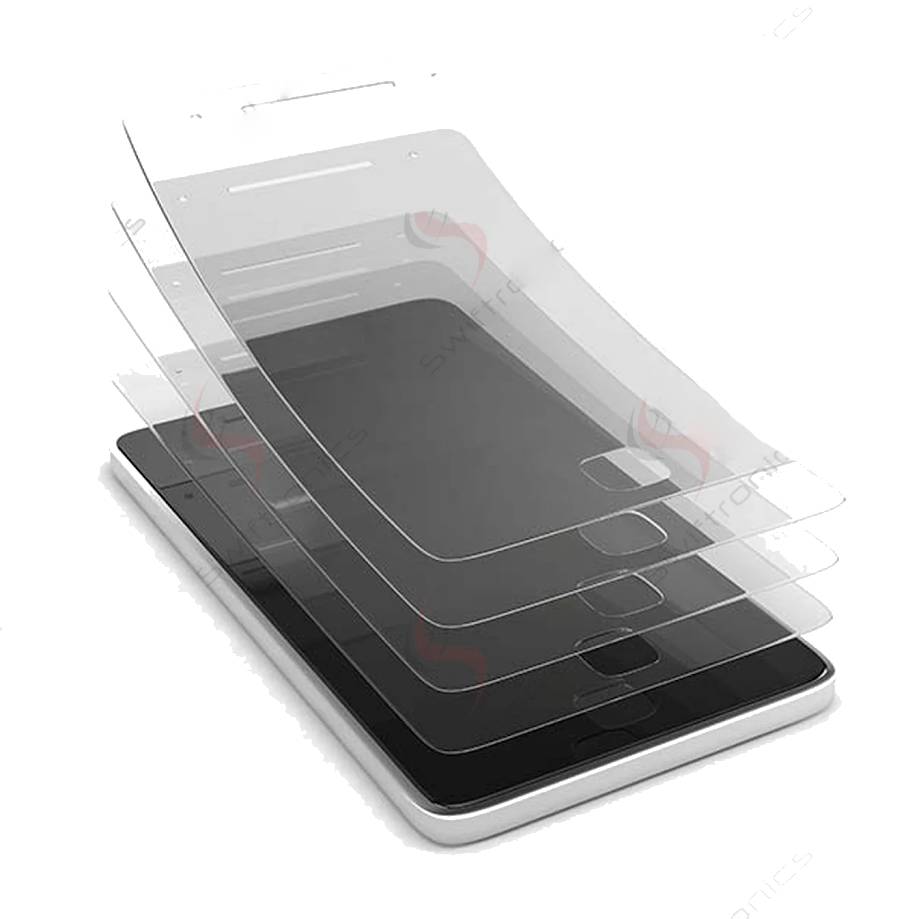
Understanding the Science Behind Screen Protectors: Why Bubbles Occur
Understanding the science behind screen protectors involves delving into the materials and processes that lead to the formation of bubbles when applying these protective layers. Screen protectors are typically made from materials like tempered glass or plastic, which are designed to shield your device from scratches and impacts. However, when poorly applied, air can become trapped beneath the protector, leading to unsightly bubbles. This phenomenon often occurs due to inadequate surface preparation, such as dust or oil residues on the screen, which disrupt the adhesive bond and create gaps for air to seep in.
To minimize the occurrence of bubbles, it is essential to follow best practices during application. Start by ensuring the screen is thoroughly cleaned using a microfiber cloth and an appropriate screen cleaner. Consider using a dust-removal sticker to eliminate any remaining particles before placing the screen protector. Additionally, applying the protector in controlled environments—free from humidity and dust—can significantly reduce the chance of bubbles forming. If bubbles do appear, many can be pushed out toward the edges using a credit card or similar tool, restoring a smooth, crystal-clear finish to your device.
Counter-Strike is a popular tactical first-person shooter video game series that has significantly influenced the esports landscape. It emphasizes teamwork and strategy, requiring players to take on the roles of either terrorists or counter-terrorists. For those looking to enhance their gaming experience, check out the Top 10 iphone 17 pro max accessories that can help elevate your mobile gaming skills.
Top Tips for a Bubble-Free Screen Protector Installation
Installing a screen protector can often be a frustrating experience, particularly when bubbles form beneath the surface. To achieve a bubble-free installation, start by carefully cleaning your device's screen with a microfiber cloth to remove dust and oils. Consider using a screen cleaning solution for optimal results. Once the screen is clean, choose a dust-free zone to ensure that no particles interfere with the adhesion of the protector. You may also want to use a low-tack tape to remove any remaining particles that could cause bubbles upon application.
When applying the screen protector, it’s crucial to align it perfectly with your device's edges. Begin by peeling back one corner of the protector and gently laying it down at an angle, allowing it to adhere gradually instead of dropping it flat. Slowly remove the backing while simultaneously pressing the protector down with a plastic card or squeegee, working from the center outwards to eliminate air pockets. For best results, take your time and be patient; rushing through the process often leads to bubbles appearing later. If bubbles do form, gently lift the protector from the corner closest to the bubble and use the card again to push the air out.
Do Different Screen Protectors Affect Bubble Prevention?
When it comes to maintaining the pristine condition of your smartphone, screen protectors play a crucial role. However, not all protectors are created equal, and their ability to prevent bubbles can vary significantly between types. Conventional plastic screen protectors, while affordable, often don’t adhere as smoothly to the screen, making them more susceptible to air pockets and bubbles during installation. On the other hand, tempered glass screen protectors typically provide a better fit due to their rigidity, offering a smoother application and less chance of bubbles forming after installation. Therefore, understanding the material and design of your screen protector is essential in bubble prevention.
In addition to the material, the installation method can also impact bubble prevention. Many modern screen protectors come with installation kits that include cleaning wipes and dust removal stickers to minimize impurities on the screen before application. To further reduce the chances of bubbles forming, users should follow a few steps:
- Clean your screen thoroughly.
- Align the protector accurately, ensuring no dust is trapped underneath.
- Apply even pressure across the protector.